
Blog
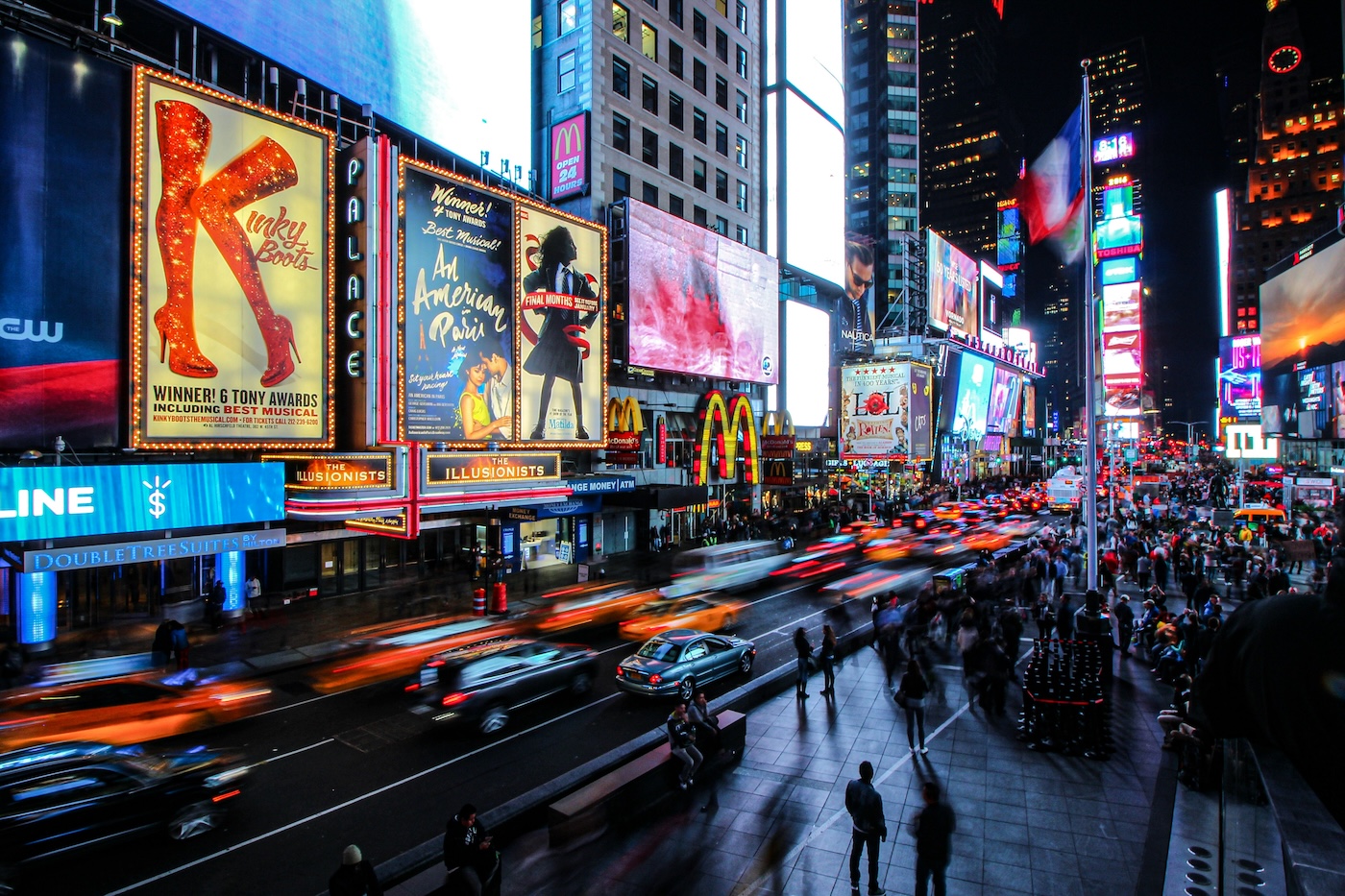
Digital Out-of-Home (DOOH) advertising is one of the fastest-growing areas of marketing - bridging the gap between traditional outdoor advertising and today’s data-driven digital world.
If you’ve seen a dynamic billboard that changes by the hour, a screen in a shopping centre playing brand videos, or a display at an airport showing context-specific ads, you’ve already experienced DOOH in action.
Unlike static posters, DOOH uses digital screens to deliver flexible, real-time advertising that can update based on factors such as location, time, weather, or audience behaviour. It’s outdoor media that thinks and reacts like digital marketing.
In 2025 and beyond, as consumers spend more time away from home but remain digitally connected, DOOH is becoming an essential channel for brands looking to build awareness, capture attention, and deliver measurable impact - all in the physical world.
What Is Digital Out-of-Home (DOOH) Advertising?
Digital Out-of-Home (DOOH) refers to any digital media used for marketing in public or semi-public spaces - essentially, advertising that appears on digital screens outside the home.
These screens can be found in:
- Roadside billboards and large urban displays
- Shopping centres, gyms, and retail stores
- Train stations, airports, and bus stops
- University campuses, entertainment venues, and office lobbies
Unlike traditional out-of-home (OOH) advertising, DOOH isn’t printed or static. Ads are distributed digitally - often through networks or programmatic platforms - allowing brands to change, update, or target messages in real time.
How It Works
- Ad placement: Brands purchase screen time on digital networks across cities or regions.
- Scheduling: Content can rotate automatically based on time of day, audience flow, or environmental triggers.
- Delivery: Ads are displayed on screens managed by media owners, updating instantly via cloud-based systems.
- Measurement: Audience impressions and engagement data are collected through sensors, mobile signals, or anonymised analytics tools.
In other words, DOOH combines the reach and visibility of outdoor media with the precision and agility of online advertising - making it a cornerstone of modern, omnichannel campaigns.
How DOOH Differs from Traditional Out-of-Home Advertising
Traditional Out-of-Home (OOH) advertising has long been a staple of brand marketing. Billboards, posters, and transit ads offer mass visibility and brand recognition - but they’re static, time-consuming to update, and difficult to measure.
Digital Out-of-Home (DOOH) changes all that. It takes everything powerful about OOH - scale, impact, and visibility - and adds the flexibility, targeting, and analytics of digital marketing.
The Modern Advantage
DOOH gives brands agility. Campaigns can be launched or modified within hours - not weeks. Creatives can change by time of day, audience type, or even weather conditions. And performance can be measured with far greater precision than traditional billboards ever allowed.
For modern marketers, that means outdoor advertising can finally work at the speed of digital - without losing its scale or impact.
Key Benefits of DOOH Advertising
DOOH isn’t just a technological upgrade - it’s a strategic one. The ability to adapt, target, and measure makes it one of the most effective awareness-building tools available today.
1. Dynamic Content and Real-Time Flexibility
With DOOH, campaigns can evolve on the fly. Creative can change automatically based on time, weather, or audience demographics.
Example: A coffee brand can display steaming cappuccinos on chilly mornings and iced lattes in the afternoon - all from the same screen.
2. Smarter Audience Targeting
DOOH platforms use anonymised data sources (like mobile signals or footfall analytics) to identify the right audience at the right time. That means your message reaches the people most likely to engage - whether they’re commuters, shoppers, or travellers.
3. Higher Engagement and Brand Recall
Digital displays command attention in high-traffic environments. Their movement, brightness, and contextual messaging make them more noticeable - and memorable - than static posters.
4. Seamless Integration with Digital Channels
Modern DOOH can integrate with mobile, social, and online campaigns. You can retarget users who’ve seen your outdoor ad or drive engagement via QR codes and geolocation-based follow-ups.
5. Measurable ROI
Unlike traditional billboards, DOOH provides measurable performance data: impressions, dwell time, engagement, and conversion rates. This transparency lets marketers optimize campaigns in real time and clearly demonstrate return on investment.
Types of DOOH Placements
Digital Out-of-Home (DOOH) advertising comes in many shapes and sizes, giving brands flexibility to reach audiences wherever they are. Each environment offers unique benefits depending on the goal - from mass awareness to precise, location-based targeting.
1. Roadside Billboards
High-impact, large-format screens placed on motorways and city streets.
Perfect for brand awareness campaigns, product launches, or national visibility.
Example: An automotive brand running dynamic creative that changes by region or weather.
2. Transit and Airport Screens
Located in stations, terminals, and airports - ideal for reaching commuters and travellers with time to engage.
Example: A travel insurance company showing destination-specific ads near departure gates.
3. Retail and Mall Displays
Digital screens within shopping centres and retail environments influence buyers right before purchase.
Example: A beauty brand promoting a new product line inside stores where it’s sold.
4. Campus and Venue Screens
Reach students, professionals, or event attendees in high-traffic community environments.
Example: A tech brand advertising graduate roles on university campus screens.
5. Programmatic DOOH Networks
The most flexible option - brands can buy and manage ad placements programmatically, across thousands of digital screens in real time.
Programmatic DOOH makes it possible to launch, pause, or update ads dynamically, targeting audience segments with the same precision as online display campaigns.
How DOOH Advertising Works in Practice
At its core, DOOH advertising combines creativity, context, and technology to deliver high-impact campaigns in the real world.
The Process
- Creative Development
Brands create video, motion, or static digital creatives formatted for outdoor screens.
Short, clear messages with bold visuals work best.
- Targeting and Placement
Campaigns are planned across networks based on location, audience profile, or environment (e.g., retail, roadside, airport).
Advanced data tools help identify where and when target audiences are most active.
- Programmatic Buying
With programmatic DOOH, media is purchased automatically through digital platforms - similar to online ads - allowing for real-time bidding and budget control.
- Contextual Triggers
Campaigns can respond to live data like:
- Weather (ice cream ads in heatwaves, umbrellas when it rains)
- Time of day (coffee in the morning, takeaways at night)
- Events (local concerts, sporting fixtures, or promotions)
- Measurement and Optimisation
Performance is tracked using mobile signals, traffic data, and impression analytics. Campaigns can be refined mid-flight for maximum impact.
Example: Real-World Activation
A fitness brand might use DOOH screens near gyms to promote membership offers in January, then switch creatives mid-month to advertise personal training packages - automatically triggered by engagement data and location trends.
This agility is what makes DOOH so powerful: outdoor impact, digital intelligence.
Measuring Success in DOOH
Historically, one of the biggest criticisms of outdoor advertising was its lack of measurable performance. DOOH changes that completely.
Modern campaigns provide transparent, data-rich reporting that proves real-world impact with digital-level precision.
Key Metrics to Track
- Impressions: Estimated number of people who viewed the screen.
- Dwell Time: How long the audience engaged with the display.
- Engagement Rate: Interactions driven via QR codes, social hashtags, or nearby mobile engagement.
- Attribution: Tracking whether those exposed to an ad later visited a store or website.
- Lift in Sales or Foot Traffic: Measured through mobile location data and in-store conversions.
The Soop Marketing Advantage
At Soop, we integrate DOOH analytics into broader campaign dashboards - combining mobile, web, and offline data to measure true ROI.
This helps marketers understand not just who saw their ad, but how it influenced behaviour, delivering actionable insights for future campaigns.
Why DOOH Works for Modern Brands
In a world where people skip ads online, DOOH offers something rare - unskippable attention.
Screens placed in real-world, high-traffic environments create instant awareness, while data-driven targeting ensures each impression counts.
Reasons DOOH Stands Out
- Uncluttered Channel: No competing banners or pop-ups - just your message, front and centre.
- Omnichannel Synergy: DOOH connects easily with mobile and social, extending your campaign reach.
- Contextual Relevance: Dynamic creatives make messaging feel local and personal.
- Brand Trust: Consumers perceive DOOH as more credible and premium than many online formats.
From startups to enterprise brands, DOOH allows marketers to blend mass visibility with precise targeting - a combination that’s nearly impossible elsewhere.
Conclusion: The Future of Outdoor Advertising
Digital Out-of-Home advertising represents the next evolution of brand communication.
It’s bold, visible, data-driven, and dynamic - bringing together the best of physical presence and digital intelligence.
As screens expand across cities, transport hubs, and retail spaces, DOOH offers brands an unparalleled opportunity to connect with real people in real moments.
At Soop Marketing, we help companies plan, execute, and measure DOOH campaigns that don’t just reach audiences - they resonate with them.
From geotargeted awareness to real-time programmatic activation, Soop ensures every impression delivers impact.
Frequently Asked Questions
1. What does DOOH stand for?
DOOH stands for Digital Out-of-Home - advertising shown on digital screens in public places, such as billboards, shopping centres, or transit hubs.
2. How is DOOH different from traditional billboards?
Traditional billboards are static and manually updated, while DOOH uses digital screens that can display dynamic, real-time ads based on data such as time, location, or weather.
3. Can DOOH campaigns be targeted and measured like online ads?
Yes. DOOH campaigns can use audience data, geolocation, and contextual triggers for targeting. They also provide measurable analytics such as impressions, engagement, and attribution to physical visits or purchases.
Find out more about location based marketing
We love talking about location based marketing! If you want to know more and find out how it could work for you, click here to book a free, no obligation chat with our team. See you soon!


